
Procedure · Skin Treatments
Chemical Peels
A clinician-selected chemical solution at the right strength and depth to resurface selected skin concerns.

At a glance
Chemical Peels
The condition
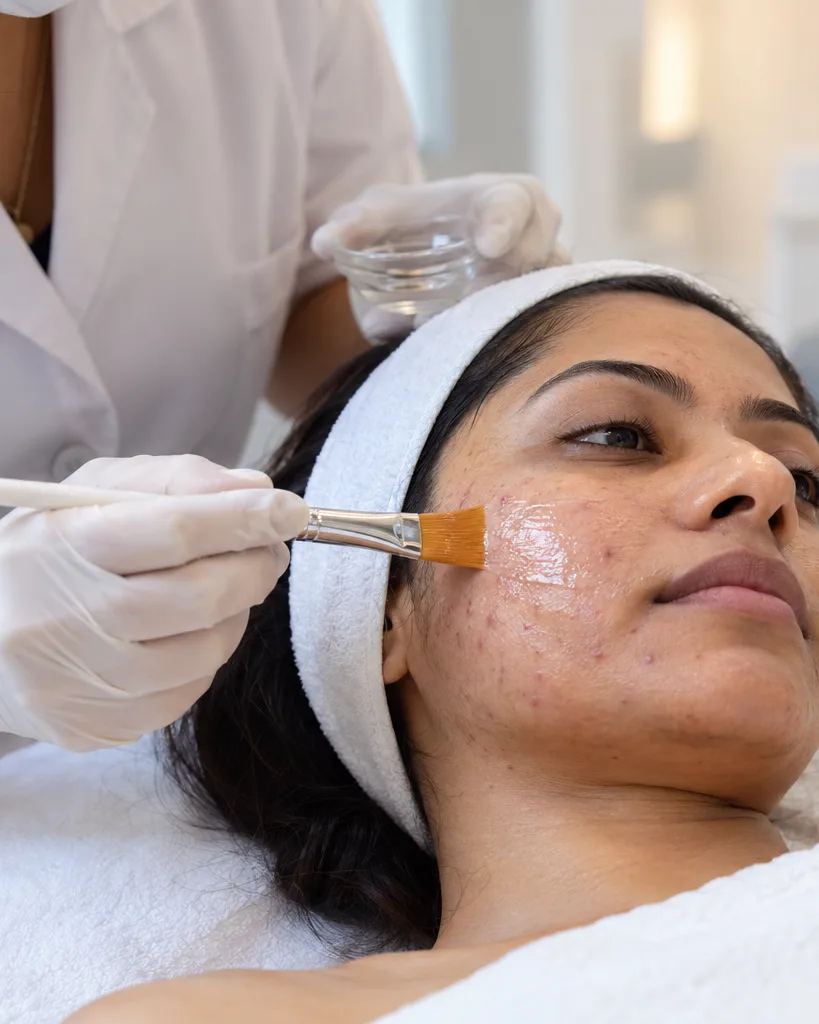
Chemical peels may be considered for selected acne, dullness, roughness, pigmentation, fine lines and surface-texture concerns.
Skinfinity treatment
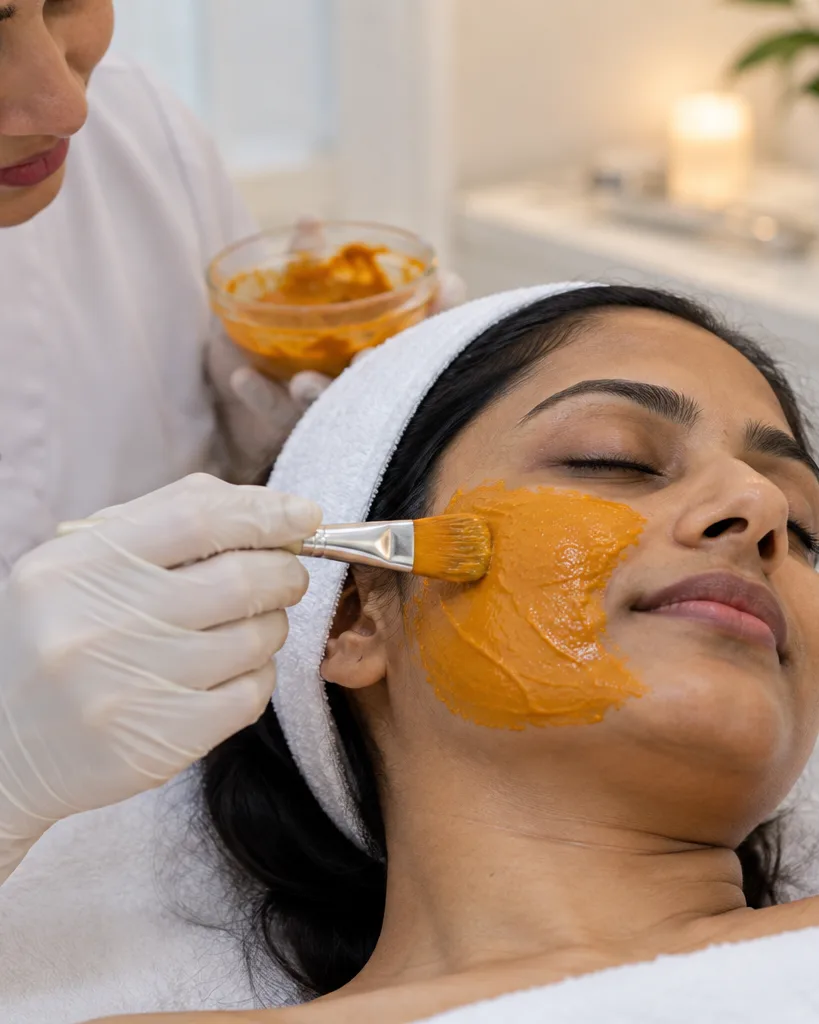
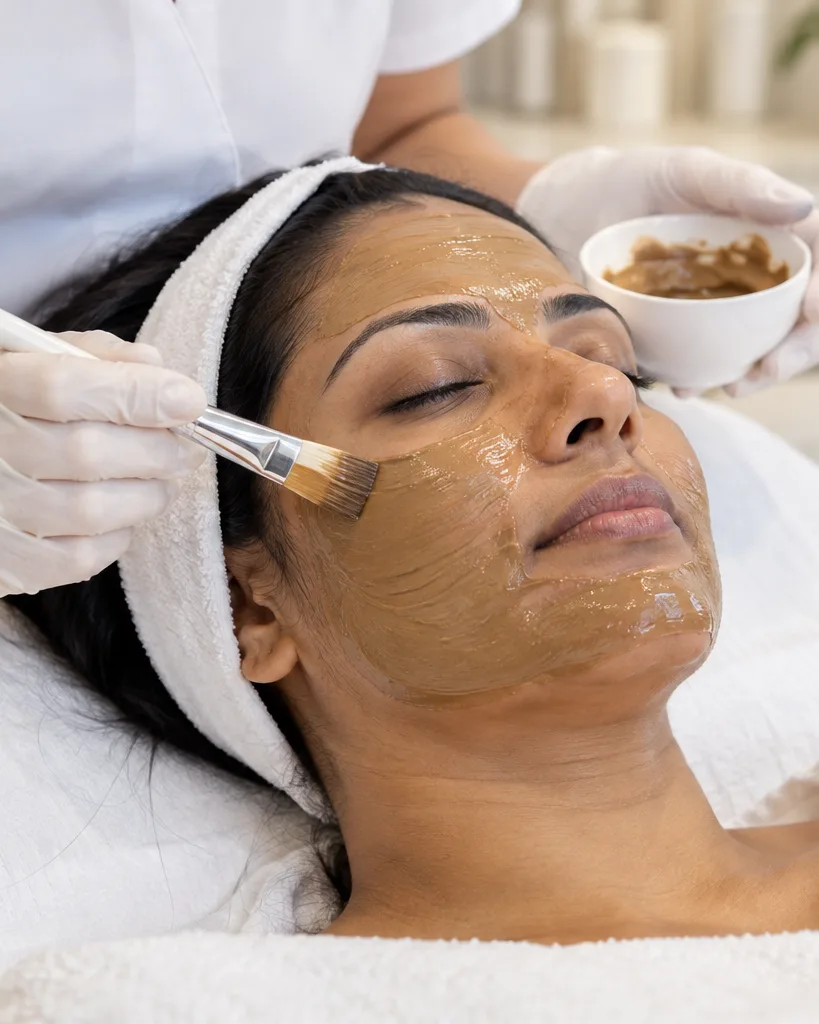
A trained clinician applies a carefully selected chemical solution at an appropriate strength and depth after assessing your skin and your recovery needs.
- Consultation first
- Options explained
- Written aftercare
What is the condition?
A chemical peel is not a disease or a diagnosis. It is a resurfacing treatment used for selected concerns such as acne, dull or rough skin, uneven colour, freckles, sun damage, fine lines and some acne marks or scars.
Similar-looking changes can have different causes, so your skin should be assessed first.

How Skinfinity treats this concern
We select the peel according to your concern, skin tone, sensitivity, medical history and the downtime you can accept.
A trained clinician applies a carefully chosen chemical solution for a planned time, then removes or neutralises it according to the protocol.
Peel depth may be light, medium or deep, and this affects both the outcome and the recovery period.
No special machine is required for a standard chemical peel, but we clearly state the ingredient, concentration, pH, contact time, intended depth and medical supervision.
Before treatment, we explain the preparation, possible reactions, aftercare and alternatives, so that you can decide with confidence.
What we confirm with you before treatment
- The peel ingredient
- The concentration
- The pH
- The contact time
- The intended peel depth
- The medical supervision for your treatment
What outcome can you expect?
After healing, a peel may make skin look smoother, brighter and more even, and may lessen the appearance of selected fine lines, discoloration, acne or surface roughness.
Light peels usually give subtler changes and may need repetition; deeper peels involve more discomfort and downtime.
A peel cannot promise permanent results, remove every deep scar or wrinkle, or tighten loose skin. New ageing or sun damage can cause changes to return.
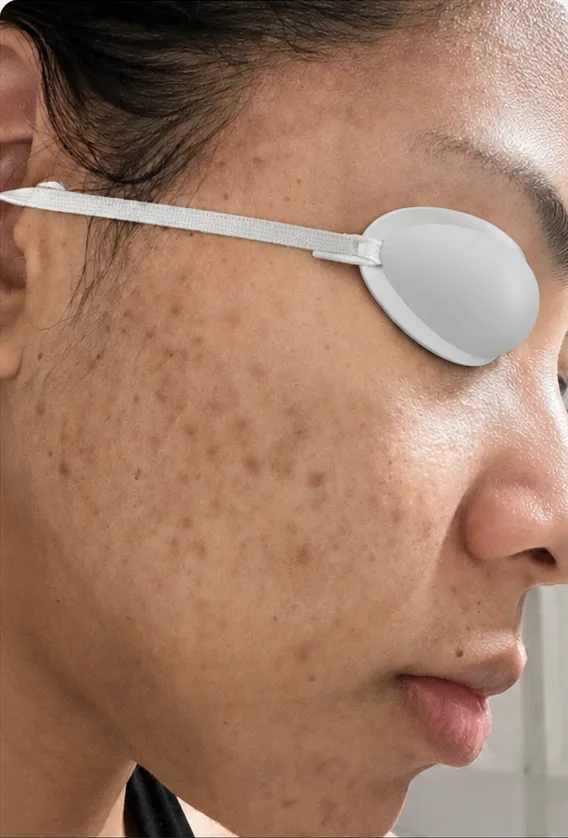

Images are shown only with written consent and are genuine and consistent.
Aftercare and long-term support
- Follow your written instructions.
- Keep your skin cool and clean, use a gentle cleanser and a bland moisturiser, and do not pick or peel loose skin.
- Avoid scrubs, home peels, acids, retinoids and other irritants until you are told to restart them.
- Use a broad-spectrum sunscreen every day, preferably SPF 50+ when advised, use shade or protective clothing, and limit strong sun.
- Contact the clinic for severe pain, blisters, spreading redness, pus or fever.
Suitability, limitations and safety
Chemical peels require professional selection and supervision.
Tell your clinician about pregnancy or breastfeeding, isotretinoin or other medicines, allergies, frequent cold sores, active skin disease, recent tanning, recent procedures and any tendency to keloids or abnormal scars.
Darker skin may have a higher risk of unwanted light or dark marks.
Peel depth changes the downtime and the risk.
Do not use high-strength peels at home or combine treatments without medical advice.
Please tell us about
Possible reactions
Contact the clinic for severe pain, blisters, spreading redness, pus or fever after a peel.
Is this right for you?
Book a consultation or WhatsApp Skinfinity
If you would like to know whether this service is suitable for your skin, book a consultation at Skinfinity Kakinada or message us on WhatsApp.
Tell us your main concern, any previous treatment, your preferred day and whether you would like a call or a WhatsApp reply. The team can explain the plan before you decide.
Related treatments