
Cosmetic · Medi-Facials
Pumpkin Peel Medi-Facial
A topical, protocol-dependent facial or superficial peel for dull, rough, dry or uneven-looking skin.
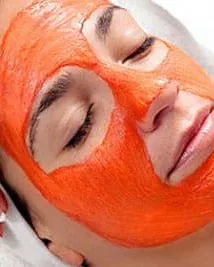
At a glance
Pumpkin Peel Medi-Facial
The condition
A cosmetic service that may address surface dullness, roughness, dryness or uneven-looking tone if a suitable superficial exfoliating protocol is confirmed. The name alone does not diagnose or treat acne, scars or melasma.
Skinfinity treatment
A verified topical facial or peel protocol. We confirm the product, concentration, pH, contact time and recovery advice with you.
- Consultation first
- Options explained
- Written aftercare
What is the condition?
The Pumpkin Peel Medi-Facial is a cosmetic skin service, not a treatment for a disease or a cure. If the confirmed protocol includes a superficial exfoliating peel, it may be offered for dull-looking skin, surface roughness or dryness, uneven-looking tone and mild uneven pigmentation. The name alone does not establish that it treats acne, acne scars, melasma or any other medical condition.
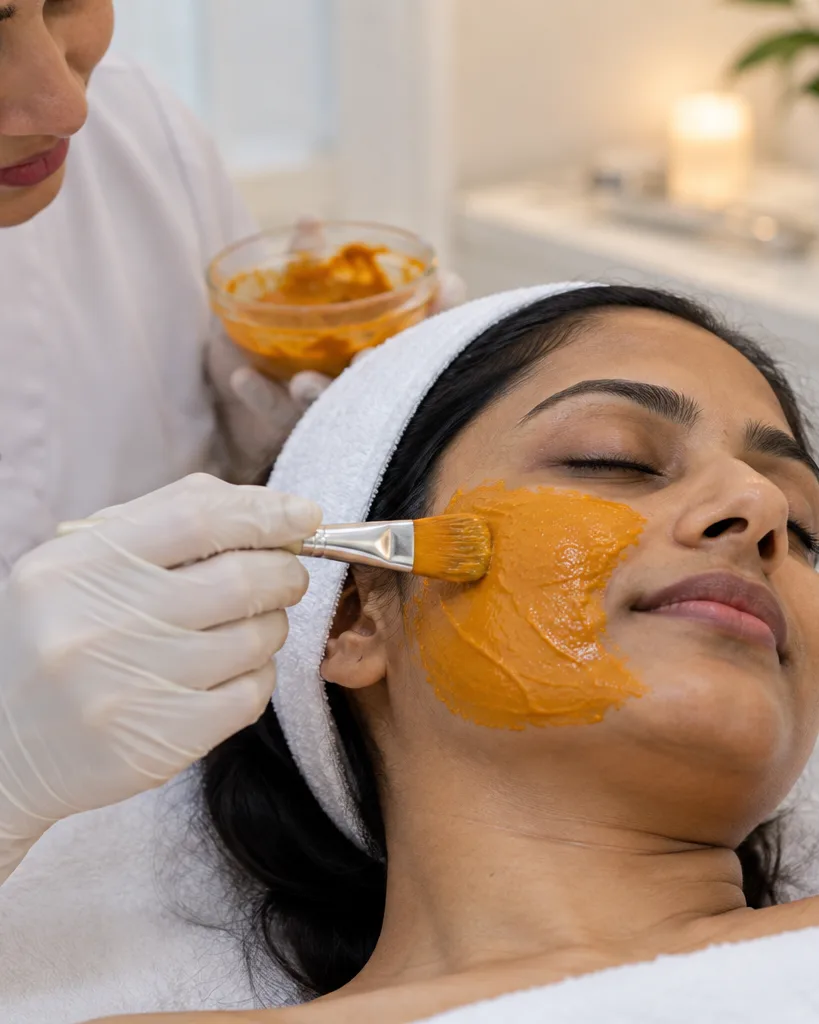
“Pumpkin peel” is not a standardised medical treatment name. It could describe a pumpkin or fruit-enzyme product, an acid peel marketed with a pumpkin theme, or a facial using pumpkin-labelled products.

How Skinfinity treats this concern
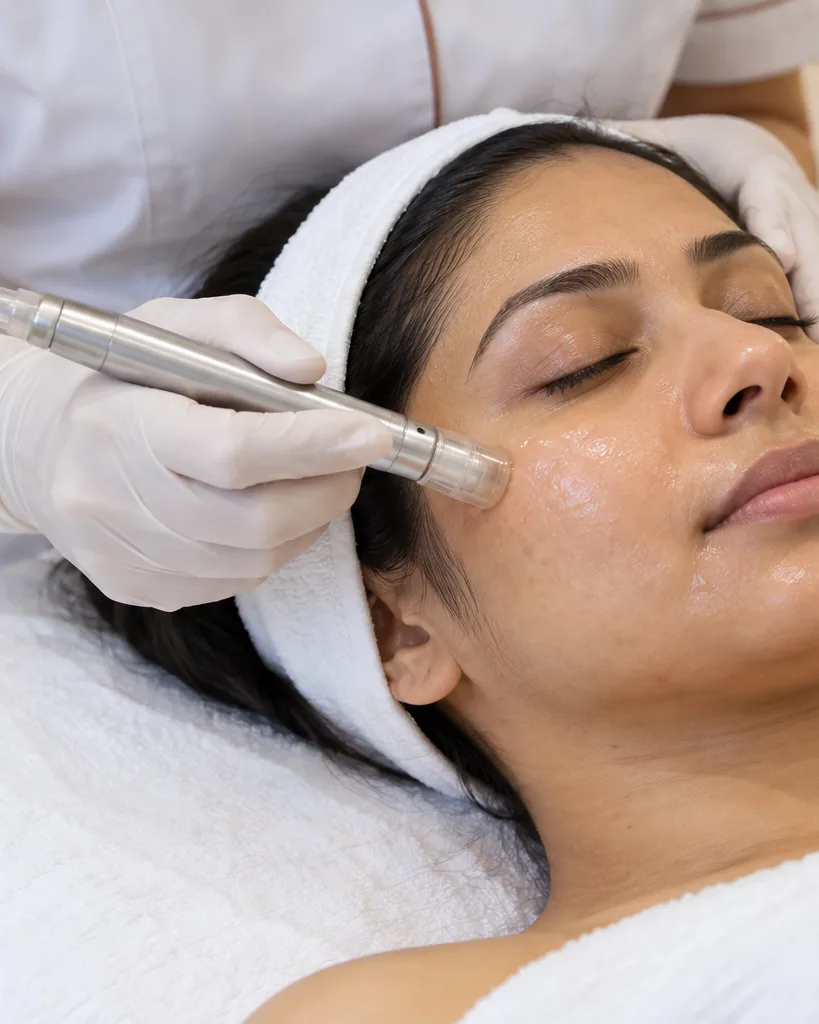
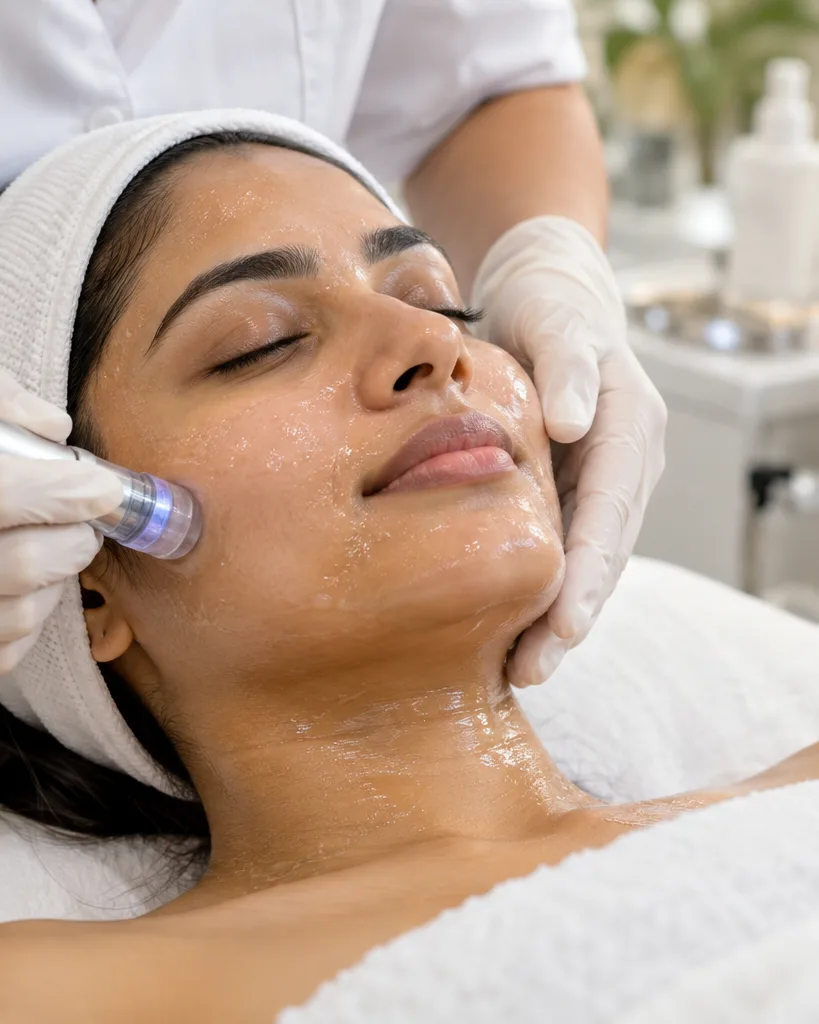
Our current service list does not state the brand, ingredients, concentration, pH, contact time, peel depth or device. Until these are verified, the service is described only as a topical, protocol-dependent facial that may include cleansing, an exfoliating step when appropriate, a soothing mask or serum, moisturiser and sunscreen.
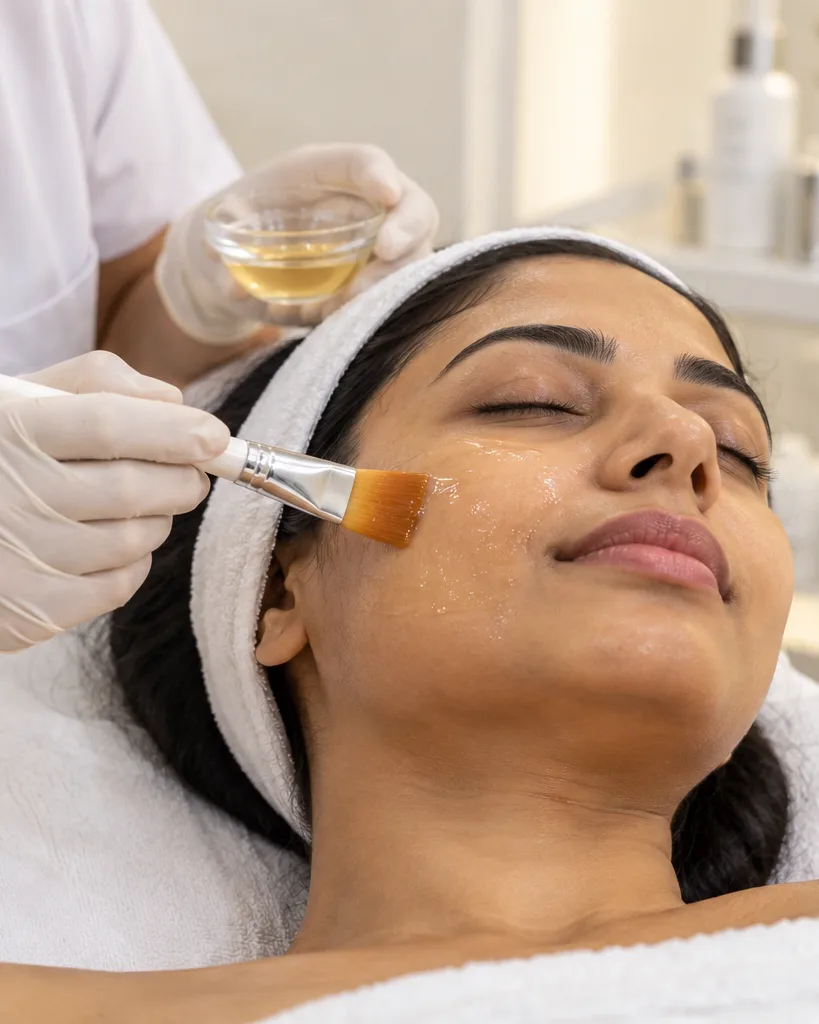
If an actual chemical peel is used, your clinician applies a defined formulation for a controlled time and removes or neutralises it according to the product instructions. Chemical peels can help selected pigmentation, photoageing (sun-related skin ageing), surface texture and acne concerns, but outcomes depend strongly on the agent, its strength, pH and depth, the technique, aftercare and your skin type.12 FDA information notes that alpha-hydroxy acids exfoliate the skin and can increase sensitivity to ultraviolet light.3
These sources do not validate a proprietary “Pumpkin Peel Medi-Facial” as a standardised treatment.
What we confirm with you before treatment
- The exact product, its brand and the full ingredient list
- Whether the active ingredient is an enzyme, an alpha-hydroxy acid, a beta-hydroxy acid, a polyhydroxy acid or a combination
- Its concentration
- Its pH
- The intended peel depth
- The contact time
- How the product is removed or neutralised
- Whether any device is used
- Aftercare instructions
- The patch-testing policy
- The emergency procedure
What outcome can you expect?
A realistic cosmetic goal is skin that looks temporarily fresher, smoother and more radiant, with less surface dryness or a more even-looking tone. A superficial peel may improve surface texture or mild pigmentation over a planned course, but how much change occurs, and for how long, varies with the formula, your skin type, sun exposure and home care.
Please do not expect a permanent result, an instant transformation, removal of deep acne scars, a cure for pigmentation or acne, or a particular number of sessions. Results are not guaranteed and do not replace medical treatment for a skin disease.
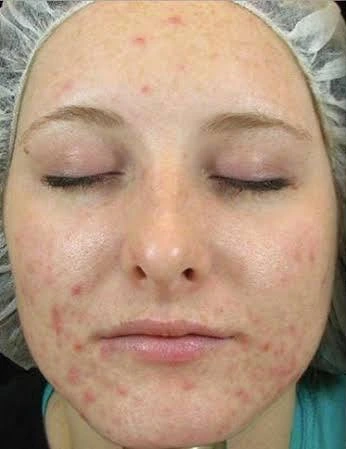 Illustrative example
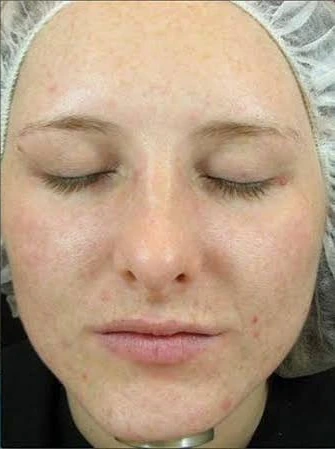 Illustrative example
 of the kind of change this treatment aims for. Results vary from person to person.
Aftercare and long-term support
- Follow our written instructions for the exact product used.
- Keep the skin cool and clean, and use a bland moisturiser as advised.
- Do not rub, scratch, pick or scrub the skin, or peel flakes off.
- Avoid acids, retinoids, bleaching products, fragranced products and other irritating active products until your clinician says the skin has recovered.
- Use a broad-spectrum sunscreen every day, wear protective clothing, seek shade and limit strong sun exposure. This is especially important if an acid peel was used, because alpha-hydroxy acids can increase sun sensitivity.3
- Ask us before applying makeup if the skin is still stinging, raw or peeling.
- Nourishing food, adequate sleep, normal hydration and an active lifestyle support general wellbeing but do not guarantee a treatment result.
Suitability, limitations and safety
Suitability is decided after taking your skin history and examining your skin. Tell your clinician about your skin phototype (how your skin responds to sun), any tendency to pigment or scar, allergies, current medicines and skincare, recent sun exposure, and any active rash, infection, cold sore, open wound or significant irritation. Darker skin tones can develop post-inflammatory darkening or lightening after peels, so conservative, experienced care and clear consent are important.12
Short-lived stinging, warmth, redness, dryness, tightness, mild swelling, sensitivity and flaking can occur. Less common problems include allergic or irritant dermatitis, infection, reactivation of cold sores (herpes), prolonged redness, pigment change, burns and scarring.
Contact the clinic promptly for severe or increasing pain or burning, marked swelling, blisters, pus, fever, eye symptoms, rapidly worsening redness, or redness or pigment change that does not settle as expected.
Do not use a strong professional peel at home.
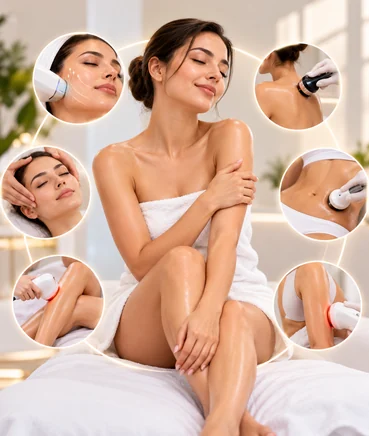
No injection, microneedling, laser, radiofrequency, oxygen device or other energy equipment has been verified as part of this service.
Please tell us about
Possible reactions
Contact us promptly for severe or increasing pain or burning, marked swelling, blisters, pus, fever, eye symptoms or rapidly worsening redness.
Is this right for you?
Book a consultation or WhatsApp Skinfinity
A consultation can establish whether the confirmed peel or facial protocol suits your skin and what recovery to expect. Book a consultation or message Skinfinity on WhatsApp.
Sources & references
Numbers in the text link to the references below. This page is general education, not personal medical advice.
Related treatments